
How does a solar panel work? A simple guide to understanding.

A solar panel captures sunlight and converts it into electricity.
This technology, called photovoltaics , may seem complex, but the principle is actually very simple.
This guide explains step by step how it works, with clear explanations and no unnecessary jargon — so you can understand before you decide.
What is a solar panel?
A solar panel is composed of several photovoltaic cells . A solar panel is a device that captures solar energy. Solar energy is a renewable energy source used on various scales, from individual homes to large industrial installations. These panels are also called photovoltaic panels , and their efficiency depends on factors such as orientation, tilt, and weather conditions. Installing solar panels requires a sufficient and well-oriented roof or land area, ideally facing south. However, snow accumulation can reduce the efficiency of solar panels, particularly in regions like Quebec. The solar potential in southern Quebec is significant compared to other regions of the world, offering a notable opportunity for solar energy. Solar energy has a positive impact on the planet, notably by contributing to the fight against climate change.
These cells are made from a material called silicon , which is very abundant in nature (it is one of the main components of sand). Silicon is the primary material used in the manufacture of photovoltaic cells. Thanks to solar energy, many activities are possible, such as electricity generation, heating, and cooking. Numerous scientific and technical articles have documented the evolution of solar technologies. Flat panel solar panels are the most commonly used on roofs. Solar panels are part of a wide range of products related to solar energy. An essential component of a solar panel is the photovoltaic cell.
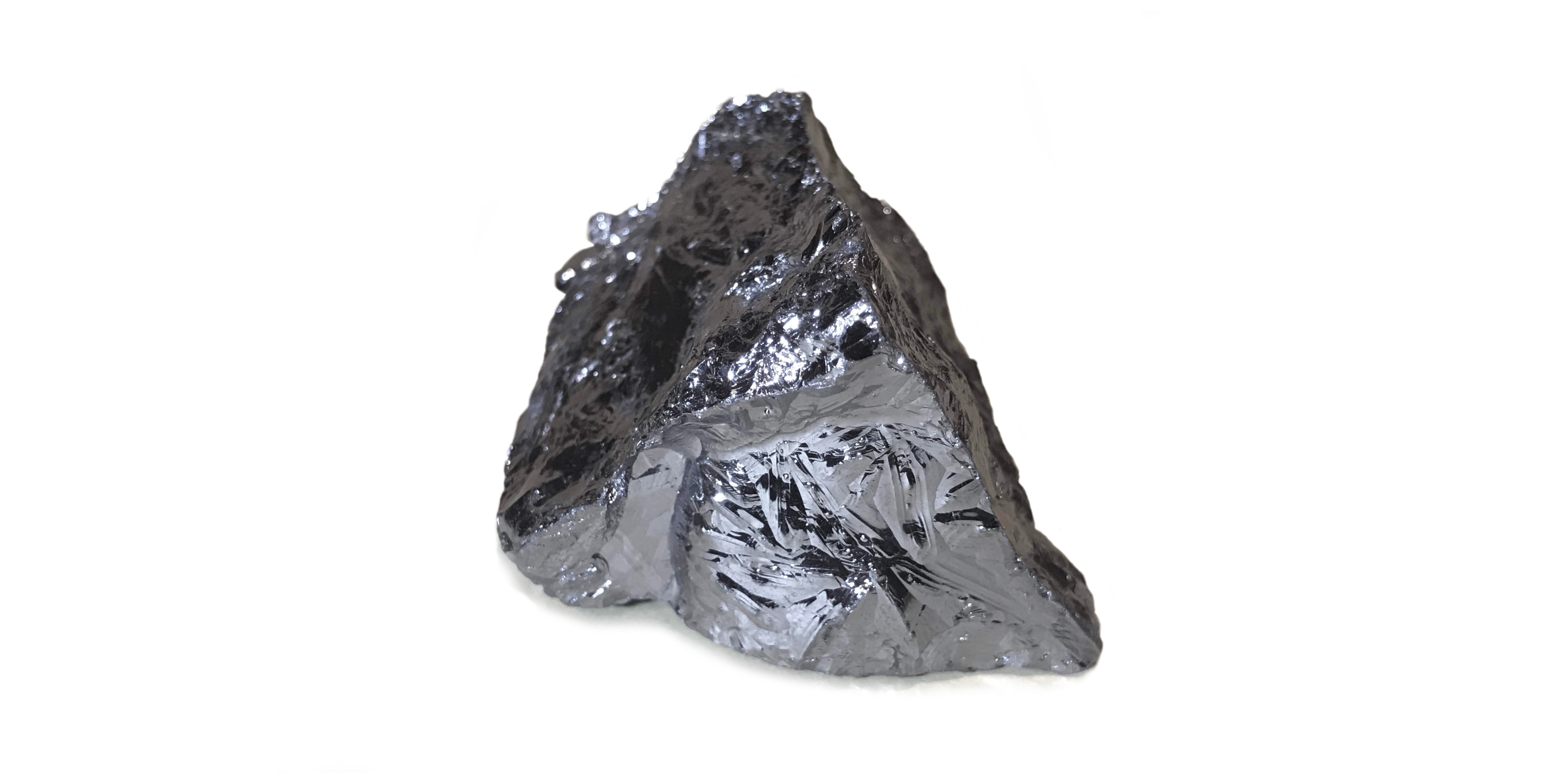
Why is silicon used in photovoltaic cells?
Because it possesses an interesting property:
When it receives light, it can release tiny electrical charges.
It is this reaction that allows electricity to be created.
Each cell acts like a mini-generator .
By grouping them together, the panel produces enough energy to power a house.
How is the sun's energy converted into electricity?
Here's the logic, simply:
- Light strikes the panel. Light carries energy.
- The cells release electrons. This energy sets small electrical charges in motion. The PV (photovoltaic) cells are responsible for generating the current.
- An electric current is created. This current is direct current (DC) .
- The inverter transforms this current for your home. It converts DC current to AC , the type of electricity used in Quebec.
In this way, solar energy can be integrated into the home's electrical system, either by being stored in batteries or by being injected into the grid, thus ensuring a continuous supply even when solar production is insufficient.
In summary: Sun → Panel → DC current → Inverter → AC current → House
The efficiency of the process depends on the quality of the PV cells and the amount of sunlight, which directly influences the amount of electricity produced. Solar energy production is also limited at night and on cloudy days, as it is dependent on weather conditions.
The essential role of the inverter
The inverter is the electrical brain of the system.
Without it, the electricity produced cannot be used in your home.
He is responsible for:
• convert energy to the correct format
• stabilize the voltage
• ensure safety
• Optimize production. Solar energy storage capacity could increase by 70% by 2030 thanks to new battery technologies.
With or without a battery?
A battery isn't mandatory , but it can be very useful. It's integrated into a complete solar system, including the panels, battery, and inverter, to maximize energy independence. To benefit from a continuous power supply, it's necessary to use storage devices or be connected to the Hydro-Québec grid. Energy storage systems are necessary to compensate for the intermittent nature of solar production. A meter measures the amount of electricity produced and consumed by the solar panels.
|
Battery not included |
With battery |
|---|---|
|
Energy is consumed directly |
Energy can be stored |
|
The network takes over at night |
You use solar power even in the evening |
|
Lower initial investment |
Greater autonomy, energy independence and protection in case of breakdown |
The battery is particularly suitable for people who want to: • achieve energy independence • reduce their dependence on the grid • maintain electricity during power outages • optimize self-consumption
Solar systems: what configurations exist?
Grid-connected photovoltaic systems remain the most efficient and cost-effective solution. Panels installed according to Hydro-Québec standards produce electricity that directly powers your equipment, while any excess kWh is purchased back from the grid at a favorable rate. This setup significantly reduces your energy bills while leveraging the proven reliability of Quebec's electrical infrastructure.
Energy independence is achieved with solar systems equipped with lithium-ion battery storage. The energy captured by your panels is stored intelligently, allowing you to use your solar electricity even during long winter evenings. This solution is essential for critical sites requiring a continuous power supply or for maximizing your independence from fluctuating electricity rates.
Smart hybrid systems combine solar energy with complementary sources such as wind power or certified backup generators. This technical approach optimizes production according to Quebec's seasons and guarantees a stable power supply, even during the most severe winter storms.
The architectural integration of solar panels adapts perfectly to our climatic constraints: pitched roofs for snow removal, southwest-facing facades to maximize exposure, or ground-mounted installations designed to withstand freeze-thaw cycles. The optimal sizing depends on your actual energy consumption profile, the orientation of your building, your investment budget, and your quantified carbon footprint reduction targets.
This diversity of technical solutions makes it possible to design a solar project perfectly tailored to each situation in Quebec, whether it's a single-family home, a small or medium-sized enterprise (SME), or an industrial project. Solar energy now represents a sustainable, profitable, and scalable investment to concretely address the energy challenges facing our province, both today and tomorrow.
Does it work in winter or under cloudy skies?
Yes.
- The panels work thanks to light , not heat.
- They produce even when the sky is grey
- They often work better when it's cold than when it's very hot.
Solar energy production depends primarily on sunlight, which varies by region. Therefore, solar production potential is directly linked to the amount of sunlight in each region: some regions benefit from more sunshine, increasing their potential, while others, like Quebec, have a different potential compared to very sunny regions such as the Sahara or the Middle East. The main challenge in Quebec is not technical feasibility, but the initial cost of the system compared to the relatively small annual savings.
What matters is that the light reaches the panel.
Autonomous networks: energy independence
Off-grid systems represent a concrete and proven solution for achieving energy independence in Quebec. These systems allow users to produce and consume their own electricity, freeing them from dependence on the Hydro-Québec grid. This approach is particularly relevant for remote residences, cottages in rural areas, or industrial projects where a continuous power supply is an operational imperative.
A self-sufficient Quebec energy grid relies primarily on photovoltaic solar energy, perfectly suited to our annual solar irradiance of 1,350 kWh/m². CSA-certified modules efficiently capture solar radiation and generate clean electricity, stored in UL-compliant lithium-ion battery systems. This intelligent storage system ensures a stable 24/7 power supply, naturally compensating for the weather variations typical of Quebec's climate.
Energy self-sufficiency provides measurable economic and environmental benefits. These systems reduce carbon footprints by 80% compared to fossil fuels, while also generating substantial savings on electricity bills. Beyond the financial advantages, these systems offer increased resilience to grid outages and remarkable deployment flexibility, whether for an isolated home in Abitibi, a northern mining site, or a remote Indigenous community.
Choosing a stand-alone solar photovoltaic system in Quebec means opting for a mature, cost-effective technology perfectly suited to our region. This decision reflects a visionary yet pragmatic approach, combining technical excellence and environmental responsibility to address contemporary Quebec energy challenges.
Lifespan and maintenance
Solar panels are designed to last 25 to 30 years or more .
They have no moving parts , so they require very little maintenance. The performance of solar panels decreases slightly over time, but the yield remains high in the long term. The cost of photovoltaic solar panels has fallen from $106/W in 1976 to $0.38/W in 2019, a decrease of 99.6%.
Typical maintenance:
• Keep panel surfaces clear (dust, leaves, snow)
• Visually check the connections from time to time
Solar panels require little maintenance, generally limited to regular cleaning.
That's all.
The longevity of solar installations also depends on regular maintenance.
Environment and sustainability
Photovoltaic solar energy is now a proven technical reality for significantly reducing Quebec's carbon footprint. Photovoltaic modules directly convert solar radiation into clean electricity—a conversion process without combustion, emissions, or waste. Unlike conventional sources, this technology produces electricity without releasing a single gram of CO2, positioning solar power as a measurable and effective decarbonization tool. The production of photovoltaic electricity has no environmental impact when considering only the operational phase of the photovoltaic modules. The price of electricity produced by solar photovoltaics has fallen from $359 in 2009 to $40 in 2019, a decrease of 89%.
In Quebec, this growth is supported by concrete initiatives from Hydro-Québec and targeted assistance programs for the installation of CSA/UL-compliant photovoltaic systems. Residential rooftops, houses and commercial buildings, ground-mounted installations—this technical modularity allows for precise adaptation to energy needs and budget constraints. Homes equipped with solar photovoltaic systems thus benefit from clean, locally produced electricity for their daily consumption. Each installation, whether 3 kW residential or 300 kW commercial, integrates into the grid according to CMEQ standards and Hydro-Québec requirements.
Lithium-ion battery storage systems offer true energy independence, enabling the use of solar electricity even during periods of low sunlight. This technical independence reduces reliance on the traditional grid while maximizing self-consumption of renewable energy—a direct and measurable economic benefit. Research is underway to develop more efficient storage solutions. Solar energy storage capacity could increase by 70% by 2030 thanks to new battery technologies.
The longevity of photovoltaic modules is a major technical advantage: guaranteed for a minimum of 25 years, they produce efficiently for 30 years or more. This durability spreads the initial investment over decades of production, transforming the solar installation into a profitable long-term energy asset. The cost of producing solar electricity decreased by 82% between 2010 and 2020, falling from USD 0.378/kWh to USD 0.068/kWh.
By adopting solar photovoltaic energy, Quebec homes and businesses are participating in an energy transition based on solid technical facts. Solar solutions offer a reliable, quantifiable, and efficient alternative, simultaneously reducing energy costs and environmental impact. Solar energy is one of the main forms of renewable energy, making it a strategic choice for a sustainable future. Thanks to Quebec's abundant solar radiation—more so than in Germany—it is now possible to produce local, clean, and profitable electricity, both today and tomorrow. Quebec has sufficient sunshine to produce clean energy.
Simple summary
|
Element |
Role |
Key points to remember |
|---|---|---|
|
Solar panel |
Captures the light |
Direct current (DC) output – the power produced depends on the model |
|
Inverter |
Converts DC → AC |
Makes energy usable in the home |
|
Battery (optional) |
Stores energy |
Allows autonomy and continuity |
|
electrical network |
Complements consumption |
Ensures day/night continuity |
Note: The number of solar panels needed depends on your electricity consumption and the power output of each panel. For a house consuming 9,000 kWh/year, approximately 10 to 14 400W panels are required to achieve energy self-sufficiency. This calculation may vary depending on the specific conditions of your installation and the efficiency of the panels chosen.
Conclusion
Solar energy is based on a simple principle: converting light into electricity in a clean, silent, and sustainable way. Now that you understand how it works, it will be much easier to assess whether solar power is right for your needs, your home, and your goals.
Choosing solar energy is a wise decision for Quebec's energy and environmental future. Consider launching a solar project tailored to your needs to maximize the benefits of this technology. Remember that the success of your project depends on careful planning of your solar installation. It takes more than ten years for the electricity savings to offset the initial investment.
Next step (slowly, at your own pace)
If you'd like to understand how this applies to your home, particularly regarding the installation of solar panels , we can guide you: • transparently • without pressure • simply
This support may include advice on financing your solar project.
We also provide information on the various forms of assistance available for solar installation to facilitate your process. Financial aid, such as subsidies and tax credits, can reduce the initial investment cost for solar panels.


3 comments
موضوع مشوق ورائع شكرا على المعلومة
موضوع مشوق ورائع شكرا على المعلومة
شكرا على الموضوع